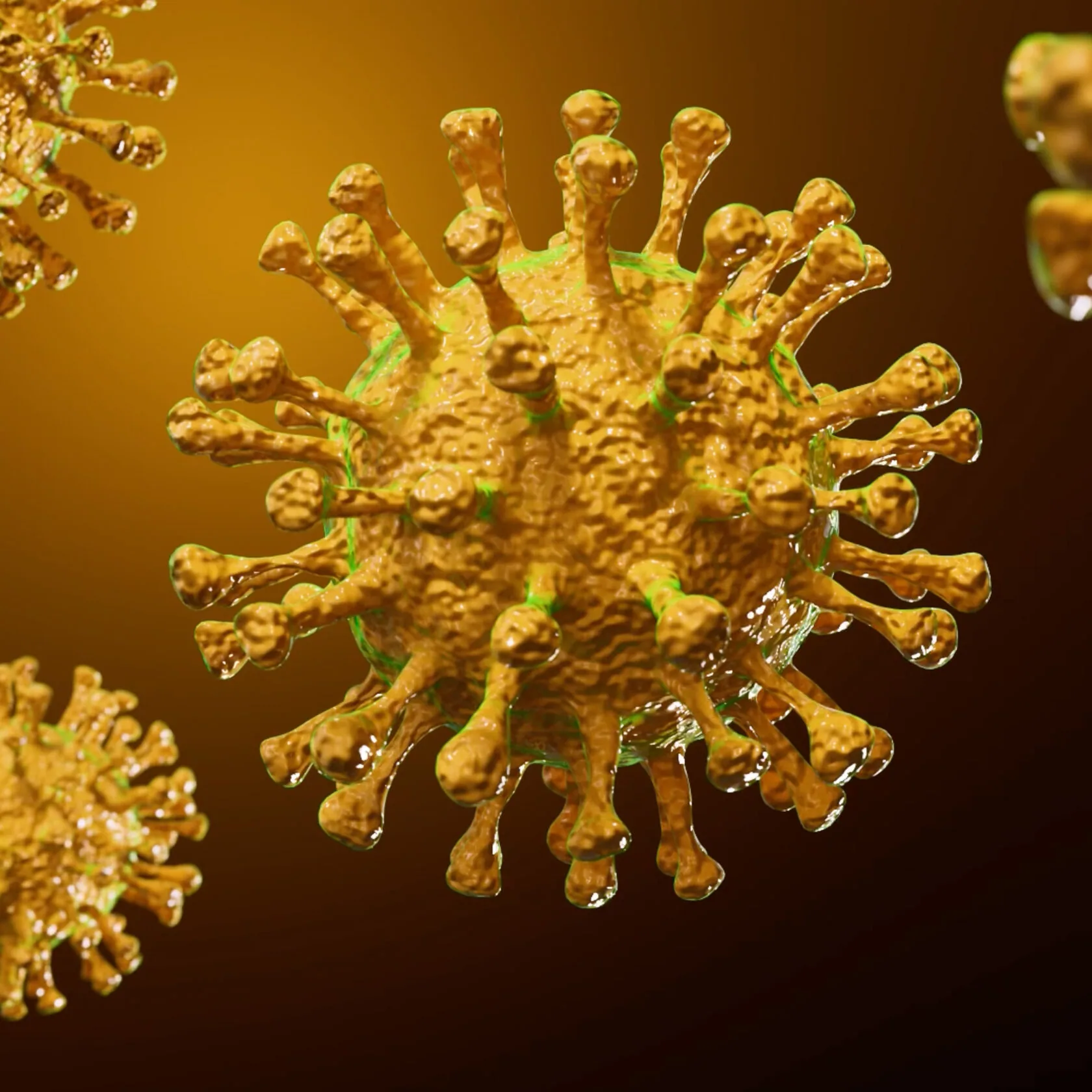
A highly detailed 3D model of an animal cell cross-section for Cinema 4D + Redshift. The model shows the structure of the cell: every organelle is a separate, labeled object, and the scene is fully ready to render.
What’s in the project:
— .c4d scene (Redshift) with a camera fly-through: 200 frames, 24 fps
— static .c4d scene with lights and materials
— FBX: geometry without materials
— OBJ: the same geometry as a separate archive
— studio HDRIs for lighting
Organelles: nucleus, nucleolus, nuclear envelope, rough and smooth ER, ribosomes, Golgi apparatus, mitochondria, centrioles, centrosome microtubules, lysosomes, autophagosomes, cytoskeleton, cell membrane with receptors and proteins.
About 6 million polygons — enough detail for close-ups and macro shots.
Materials are procedural (Redshift nodes); there is no UV unwrap.
Requirements: Cinema 4D 2026 or newer, Redshift.
Great for medical and scientific visualization, biology explainer videos, presentations and illustrations.